Seoul Hidden Neighborhoods: Exploring Ikseon-dong, Seochon, and Beyond
Seoul is often known for its modern skyscrapers, bustling shopping streets, and world-famous attractions like Gyeongbokgung Palace and Myeongdong. However, beyond the obvious tourist spots, the city hides neighborhoods full of character and charm that many travelers miss. These areas offer an authentic look into Seoul life—where history meets creativity and tradition blends with modern design.
In this guide, we’ll explore Ikseon-dong, Seochon, and other hidden gems for travelers who want to experience Seoul like a local.

1. Ikseon-dong Hanok Village: Old Meets New
Why Visit Ikseon-dong?
Ikseon-dong was once a quiet residential area filled with hanok (traditional Korean houses). In recent years, creative entrepreneurs transformed these houses into cafés, restaurants, and boutiques—while keeping their historic architecture intact. This mix of traditional Korean charm and modern aesthetics has made Ikseon-dong one of Seoul’s trendiest neighborhoods.
Things to Do in Ikseon-dong
Café Hopping: Unique cafés built in century-old hanoks, each with its own theme. A popular one is Madang Flower Café, filled with floral decorations.

Boutique Shopping: Find handmade jewelry, designer fashion, and one-of-a-kind art pieces.
Dining: Ikseon-dong is known for creative fusion restaurants and dessert cafés like Dongbaek Bakery or Seoul Coffee (famous for retro-style ice cream).
Photography: The alleyways of Ikseon-dong are perfect for photos, from hanok rooftops to neon-lit shop signs.
Traveler Tips
Best Time to Visit: Weekday mornings are quieter; weekends can be crowded with locals and tourists.
What to Expect: Some shops are small and have waiting lines. Plan time for leisurely exploration.

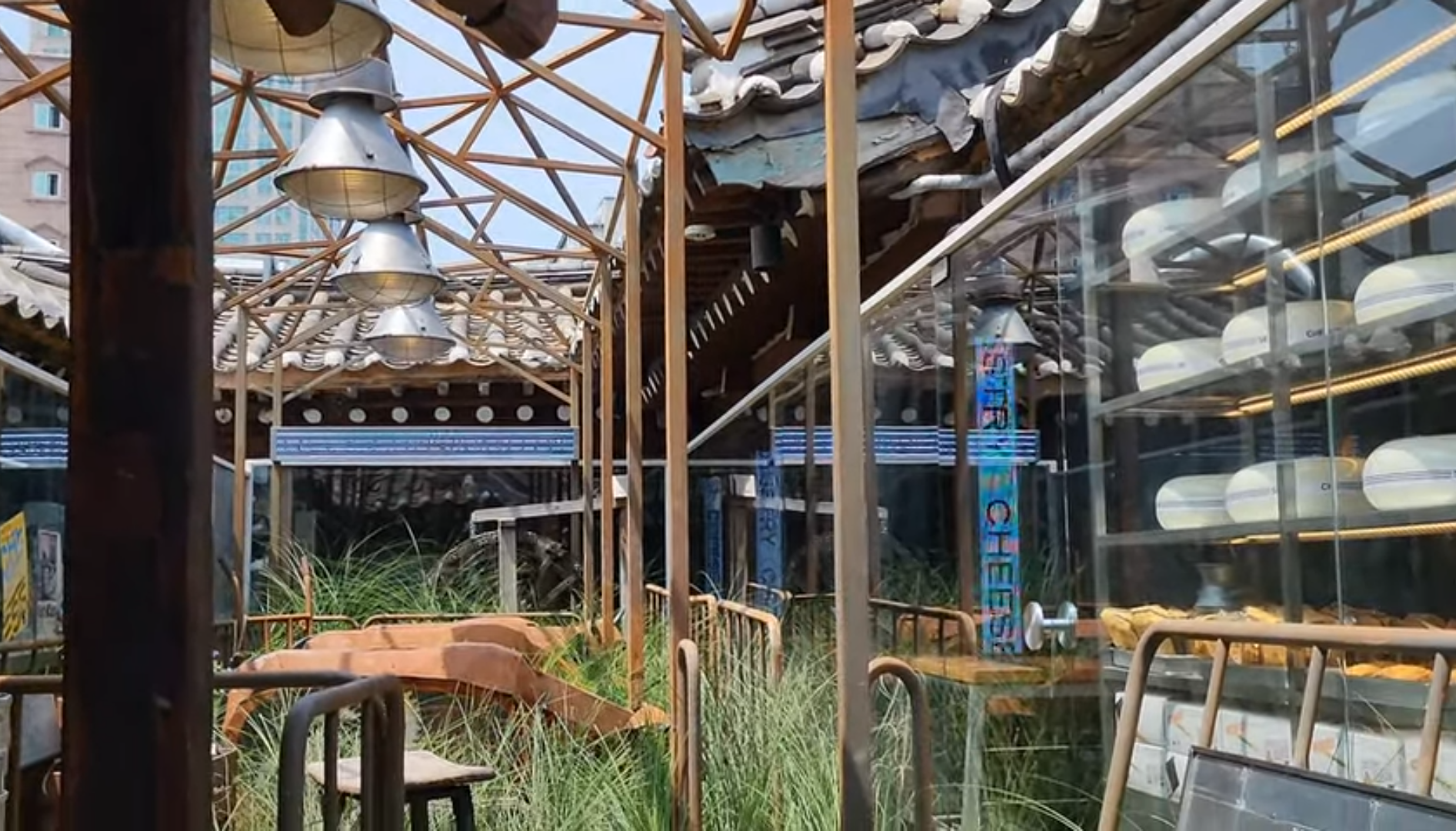
2. Seochon Village: Seoul’s Historic West Side
What Makes Seochon Special?
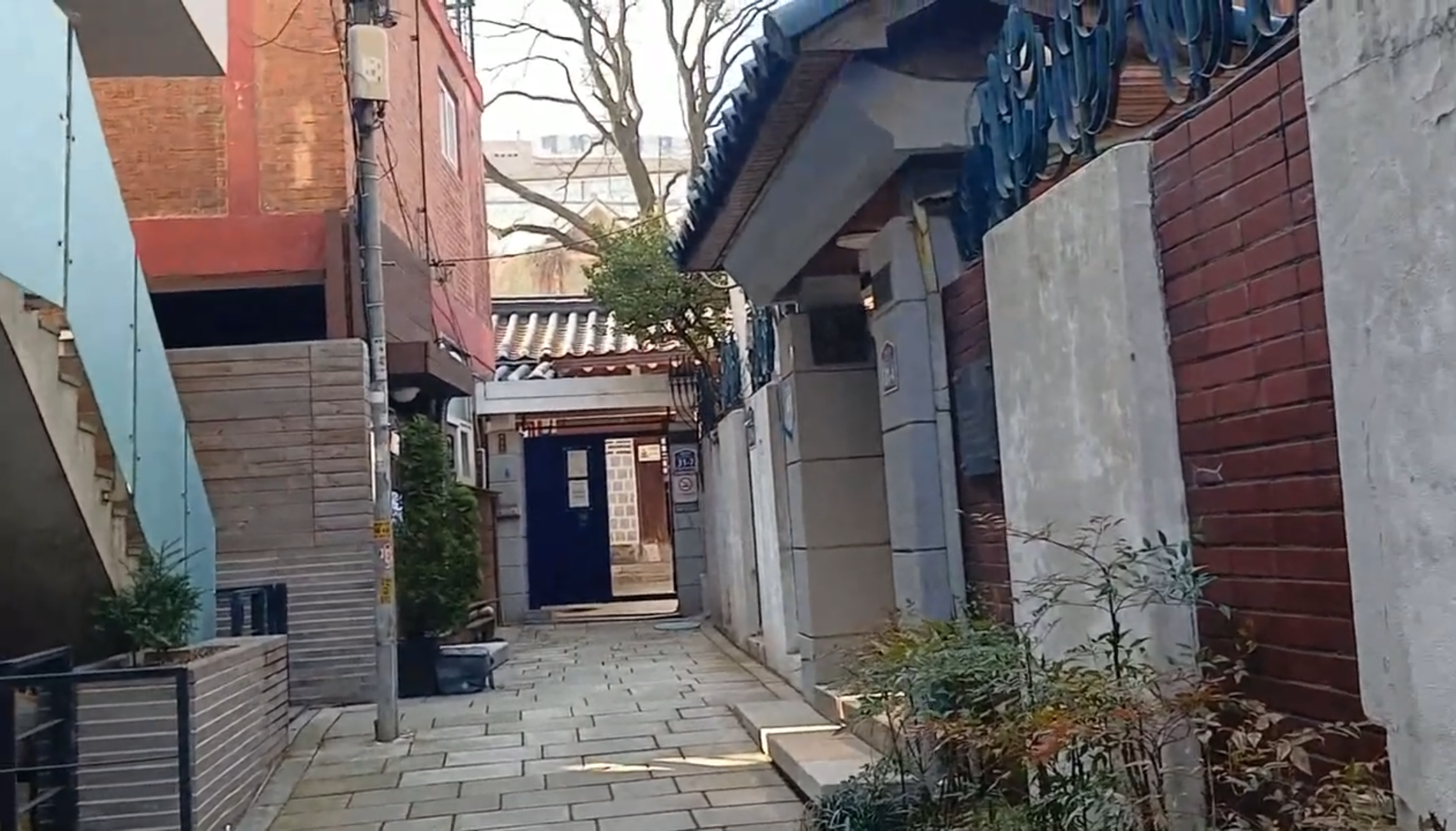
Located west of Gyeongbokgung Palace, Seochon is one of Seoul’s oldest neighborhoods. Unlike the polished and touristy Bukchon Hanok Village, Seochon retains an authentic, lived-in feel with narrow alleys and hidden courtyards.
Things to Do in Seochon
Tongin Market: Famous for its traditional “dosirak (lunchbox)” experience, where you use old-style brass coins to buy food from different vendors and assemble your own meal.
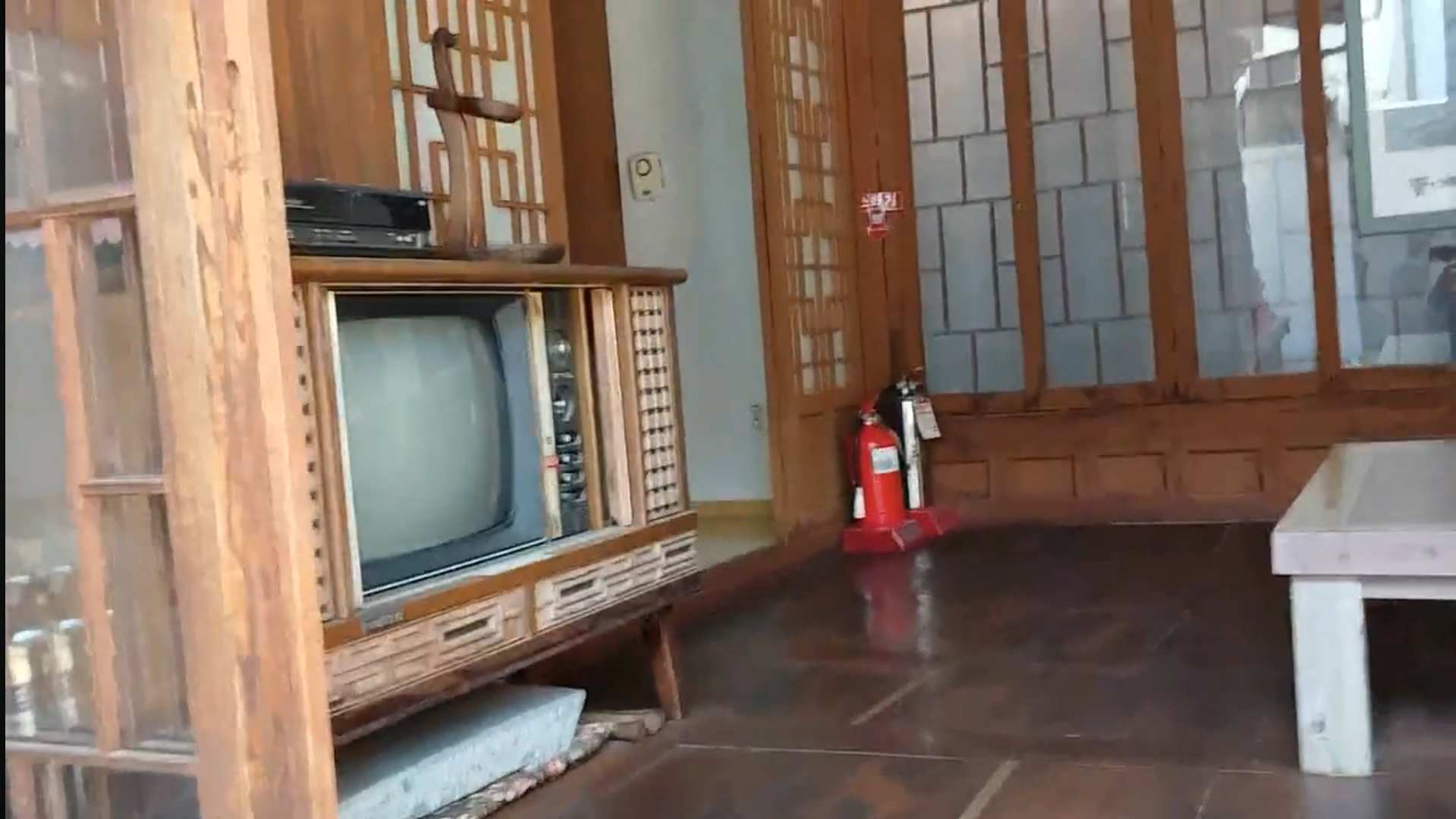
Art Galleries & Crafts Shops: Seochon has a growing community of artists and craftsmen. Visit small galleries showcasing ceramics, paintings, and traditional Korean crafts.
Hanok Cafés & Restaurants: Similar to Ikseon-dong, Seochon features hanok-style cafés with a quieter, more local vibe. Cheong Su Dang is a popular spot known for its desserts and peaceful atmosphere.
Historic Walks: Explore Gyeongbokgung’s west gate (Yeongchumun) and small historical sites tucked away in the alleys.

Traveler Tips
Local Etiquette: This is a residential area. Keep noise low and respect private property when taking photos.
Hidden Gems: Look for small traditional liquor bars (suljip) for a taste of makgeolli and Korean tapas.
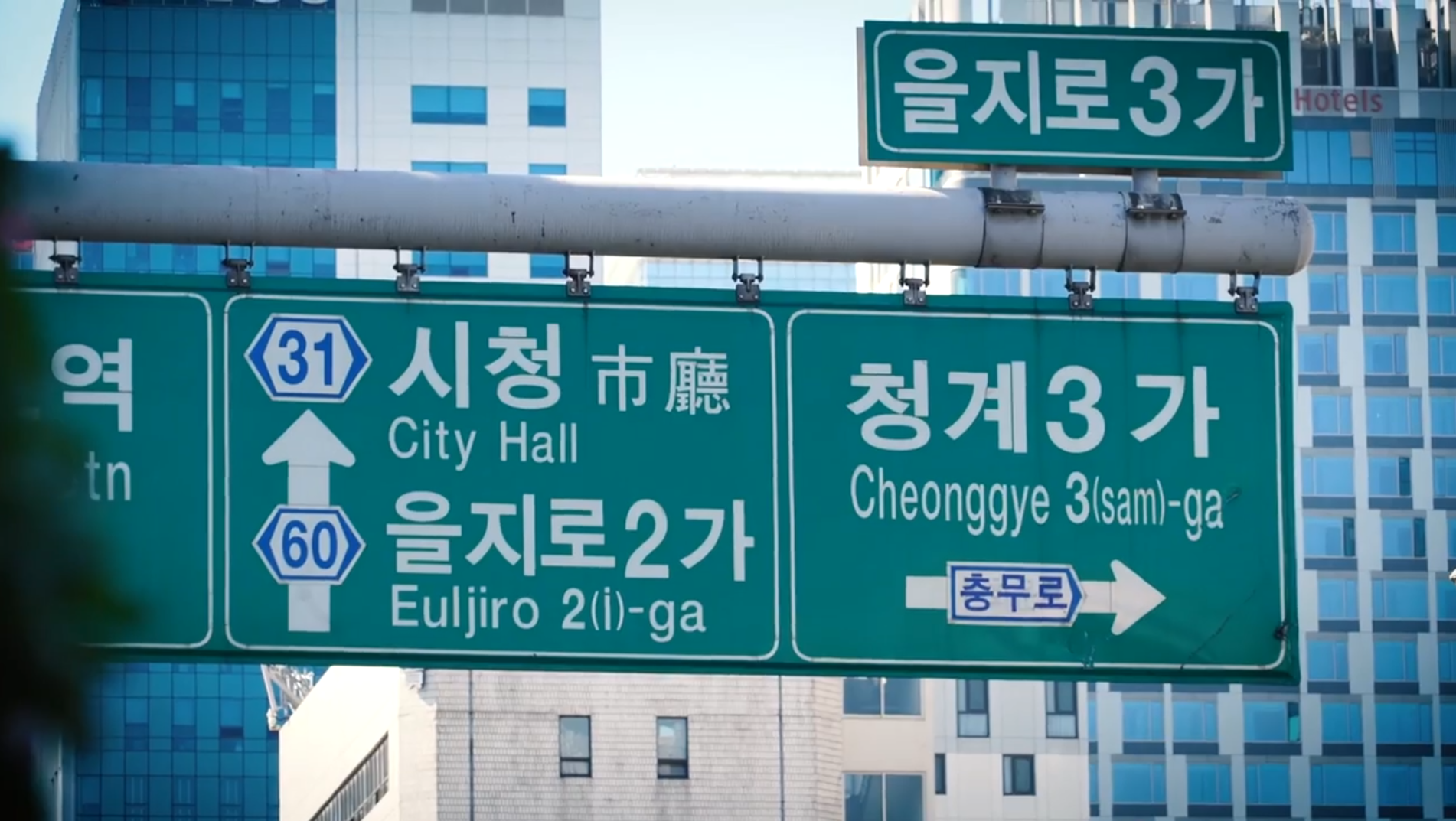
3. Euljiro: The Hipster Industrial Area
Why It’s Popular
Euljiro, once an old industrial and printing district, has become one of Seoul’s coolest hangout spots. Young creatives turned abandoned workshops into cafés, craft beer pubs, and retro restaurants.
What to Do
Photo Walk: Euljiro’s mix of old metal shops and trendy murals makes it perfect for photography.
Craft Beer & Nogari Alley: Try fried dried fish (nogari) with draft beer at traditional pubs.
Unique Cafés: Many cafés preserve the old workshop aesthetic, blending raw industrial vibes with modern coffee culture.

4. Other Hidden Gems
Yeonnam-dong
Vibe: A peaceful neighborhood near Hongdae, known for small independent shops, vegan cafés, and a park converted from an old railway line (Gyeongui Line Forest Park).
Highlight: A perfect place to relax away from Hongdae’s busy nightlife.
Mangwon
Vibe: A local neighborhood with Mangwon Market offering affordable street food.
Highlight: Great for experiencing everyday Korean life, from local grocery stores to family-run restaurants.


5. Suggested Itinerary for a Day of Hidden Seoul
Morning – Ikseon-dong
Start with a stroll through hanok-lined alleys, grab coffee at a floral café, and shop for handmade jewelry.
Afternoon – Seochon
Take a taxi or subway to Seochon for lunch at Tongin Market and explore art galleries. Walk through Gyeongbokgung’s west gate before resting at a quiet hanok café.
Evening – Euljiro or Yeonnam-dong
Finish your day in Euljiro with craft beer and nostalgic pubs, or relax in Yeonnam-dong with dessert and tea.
6. Tips for Foreign Travelers
Navigation: These areas have narrow alleys—use KakaoMap or Naver Map for accurate walking directions.
Cash vs. Card: Most shops accept cards, but street food and markets may prefer cash.
Language: Many younger shop owners understand basic English, but a translation app is handy.
Time: Give yourself plenty of time to wander—these neighborhoods are best enjoyed at a slow pace.
7. Why Visit Hidden Neighborhoods?
1. Authentic Seoul: Away from tourist-heavy areas, you see how locals live and work.
2. Unique Shops and Food: From handmade crafts to local specialties, these areas offer experiences you can’t find in big malls.
3. Photo Opportunities: Hanok rooftops, street murals, and cozy alleys make for perfect Instagram shots.
4. Relaxed Atmosphere: Fewer crowds compared to Myeongdong or Hongdae.
Conclusion
Exploring Seoul’s hidden neighborhoods is like discovering a secret side of the city—one filled with creativity, tradition, and warmth. Whether you’re sipping coffee in a century-old hanok, eating dosirak in Tongin Market, or enjoying craft beer in Euljiro, these areas give you memories beyond the usual tourist itinerary.